

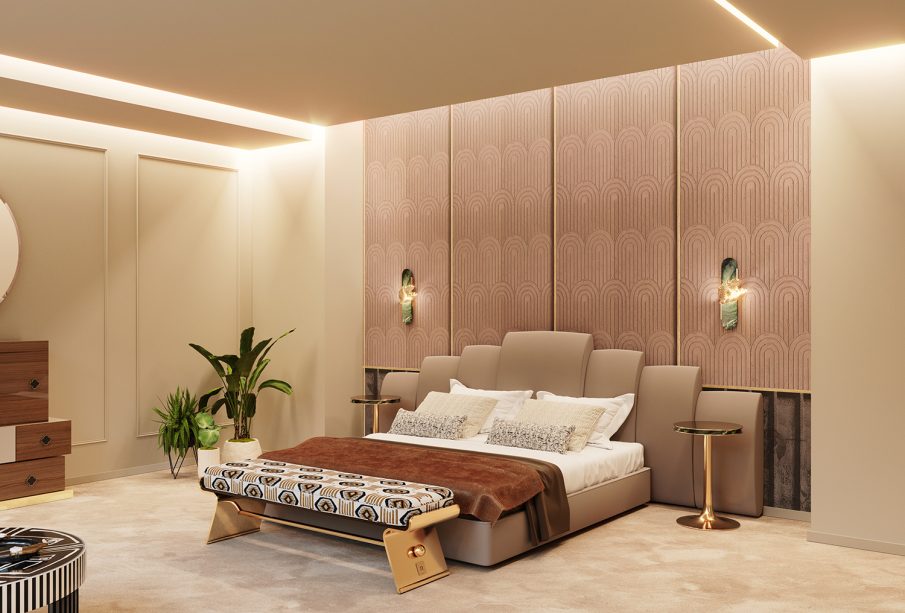
The bedroom is much more than just a place to sleep; it is a sanctuary—a private retreat where we rest, recharge, and escape from the demands of the world. For many, it is the most personal room in the home, a reflection of individual tastes, personality, and lifestyle. Whether large or small, modern or traditional, the design of a bedroom plays a pivotal role in creating an atmosphere of comfort and tranquility. As a space that nurtures both physical rest and emotional well-being, every element—from color schemes to furniture choices, lighting, and layout—must be carefully considered to create an environment that promotes relaxation and rejuvenation.
The Importance of Bedroom Design
The design of a bedroom has a direct impact on the quality of sleep and the overall mood of the individual. According to numerous studies, a restful sleep environment is essential for maintaining good health, improving cognitive function, and enhancing emotional well-being. The bedroom is a place where we spend a significant portion of our lives, and the way it is designed can affect everything from our quality of sleep to our mental clarity and emotional resilience.
An effective bedroom design should prioritize comfort, functionality, and aesthetic appeal. While the primary purpose of a bedroom is to provide a restful space for sleep, it can also serve as a multifunctional room for reading, unwinding after a long day, or spending quiet time alone. Therefore, it is crucial to find a balance between a relaxing ambiance and an inviting, personal environment that reflects one’s style and needs.
Defining the Mood with Color
Color plays a critical role in setting the tone of a bedroom. The hues we choose for the walls, furniture, and accessories have the power to influence our emotions and overall sense of well-being. Lighter shades, such as soft blues, greens, and pale neutrals, are often favored for bedrooms because they evoke a sense of calm and serenity, making them ideal for promoting restful sleep. These colors create a peaceful atmosphere that encourages relaxation and quietude.
On the other hand, deeper, richer colors like navy, burgundy, or charcoal can add depth and sophistication to the space, while also providing a sense of warmth and intimacy. However, it is important to use these tones thoughtfully, as they can easily overwhelm a room if not balanced with lighter accents or carefully placed lighting.
While wall colors set the foundation, textiles such as bedding, curtains, and throw pillows also contribute to the overall color scheme. Layering different shades of color can add dimension to the room, creating a cozy and inviting atmosphere. For instance, a light grey wall paired with dark blue bedding and warm gold accents can create a balanced and luxurious look that feels both contemporary and comfortable.
Furniture: The Foundation of Functionality and Style
The furniture in a bedroom must fulfill both functional and aesthetic purposes. A comfortable bed is, of course, the centerpiece of the room, but it is the surrounding furniture that brings the space together. Whether it’s a plush, upholstered headboard or a sleek, minimalist frame, the bed should reflect the style and personality of the individual while also ensuring comfort.
In addition to the bed, essential furniture pieces include nightstands, dressers, and wardrobes. Nightstands are convenient for holding bedside lamps, books, and personal items, while dressers and wardrobes provide ample storage space to keep the room organized and clutter-free. For those with larger bedrooms, a comfortable lounge chair or a cozy bench at the foot of the bed can serve as both a functional and decorative addition. These pieces should complement the design of the room and offer both practical storage and visual appeal.
When selecting bedroom furniture, it’s important to keep in mind the size and layout of the room. In smaller spaces, multifunctional furniture—such as a bed with built-in drawers or a fold-out desk—can maximize space without sacrificing style. In larger rooms, the layout should ensure that the furniture does not overwhelm the space, and that there is enough open space to create a sense of balance and flow.
Lighting: Illuminating Comfort and Ambiance
Lighting is one of the most important elements of bedroom design, as it influences both the practical and emotional aspects of the space. Good lighting can help set the mood, enhance the room’s functionality, and contribute to a relaxing atmosphere. A combination of ambient, task, and accent lighting can provide layered illumination that adapts to different needs and times of day.
Ambient lighting is the primary source of light in the room and includes overhead fixtures like chandeliers, pendant lights, or recessed lighting. Task lighting, such as reading lamps or bedside sconces, is essential for focused activities, ensuring that the room is functional for tasks such as reading, working, or applying makeup. Accent lighting, such as LED strip lights or decorative table lamps, can be used to highlight specific design features like artwork or architectural details, adding a sense of drama and warmth to the space.
The quality of light is also critical. Soft, warm lighting tends to create a soothing environment that encourages relaxation, while bright, cool lighting may be more suitable for daytime or active tasks. Dimmable lighting options allow for greater control, enabling the bedroom to adapt to different moods and activities, from a calm and serene evening to a more vibrant and energetic morning.
Textiles and Comfort: Layers of Relaxation
Textiles are key to creating a comfortable and inviting bedroom. Bedding, curtains, and rugs should be carefully selected to not only enhance the room’s aesthetic but also ensure comfort and warmth. The bed is the focal point of the room, and the choice of sheets, duvets, and pillows plays a significant role in creating a restful sleep environment. High-quality linens made from natural fabrics like cotton, linen, or silk contribute to both comfort and style, while plush throws and decorative pillows add texture and visual interest.
Curtains and window treatments are equally important in establishing the mood and functionality of the room. Soft, flowing curtains can create an ethereal, romantic ambiance, while heavier drapes offer privacy and help to block out light, ensuring a restful night’s sleep. Similarly, area rugs can add warmth, texture, and color to a room, while also helping to define different zones, especially in larger spaces.
Personal Touches: Creating a Reflective Sanctuary
While the overall design of a bedroom should focus on functionality, comfort, and aesthetic harmony, it’s the personal touches that truly make a space feel like home. Art, photographs, and decorative accessories allow individuals to express their personalities and interests, transforming the room into a space that feels uniquely their own. Whether it’s a cherished family heirloom, a favorite piece of art, or an array of plants that bring nature indoors, personal items add character and warmth to the space.
Additionally, scent plays an important role in creating a soothing atmosphere in the bedroom. Aromatherapy through essential oils, scented candles, or diffusers can help to promote relaxation and improve sleep quality. Fragrances such as lavender, chamomile, and sandalwood are particularly known for their calming effects.
Conclusion: Crafting Your Perfect Bedroom Sanctuary
The bedroom is more than just a place to sleep—it is a sanctuary where we retreat from the world, rejuvenate, and find rest. Its design should be a reflection of our personal style while also prioritizing comfort, functionality, and tranquility. By carefully considering elements such as color, furniture, lighting, textiles, and personal touches, we can create a space that fosters relaxation, enhances sleep quality, and supports emotional well-being.
In the fast-paced nature of modern life, the bedroom serves as a much-needed escape—a space where we can unwind, recharge, and prepare for the day ahead. When designed thoughtfully, it becomes not only a place for rest but also a sanctuary that promotes balance, peace, and a sense of belonging. Whether you’re designing a serene minimalist retreat or a cozy bohemian haven, the bedroom is an opportunity to create a space that nurtures your mind, body, and soul.

DIY Bedroom Decorating Projects to Personalize Your Space
January 11, 2026

Suggests Remember in Selecting Bed room Furniture
April 12, 2019
Comments are closed.
-

Small Bathroom Decorating Tips – More Information About This
March 24, 2019 -

-

Reasons to Upgrade Your Domestic Security System
October 2, 2019
Latest Posts
-

-

How to Stay Positive Throughout the Moving Process
August 5, 2026 -

-

How to Improve Your Home with Smart Remodeling Decisions
June 20, 2026 -

How to Upgrade Your Home with Simple Remodeling Changes
June 18, 2026
Recent Posts
- A Guide for Homeowners and Businesses on Solar Installation in Thailand August 22, 2026
- How to Stay Positive Throughout the Moving Process August 5, 2026
- Why Traditional Waste Disposal Methods Are Failing Modern Construction Projects June 27, 2026
- How to Improve Your Home with Smart Remodeling Decisions June 20, 2026
- How to Upgrade Your Home with Simple Remodeling Changes June 18, 2026
- Why Landscaping and Pool Construction Must Be Planned Together June 11, 2026
- Space Saving Furniture Ideas for Compact Homes June 7, 2026
- Simple Bathroom Renovation Ideas for Better Comfort May 23, 2026
Categories
- Bedroom (8)
- Decor Tips (8)
- Featured (2)
- Furniture (7)
- Home (120)
- Home Improvement (2)
- Interior (7)
- Moving (1)
- News (3)
- Plumbing (7)
- Remodeling (9)
- Solar (1)