The Essential Checklist for Planning a Full Exterior Home Remodel
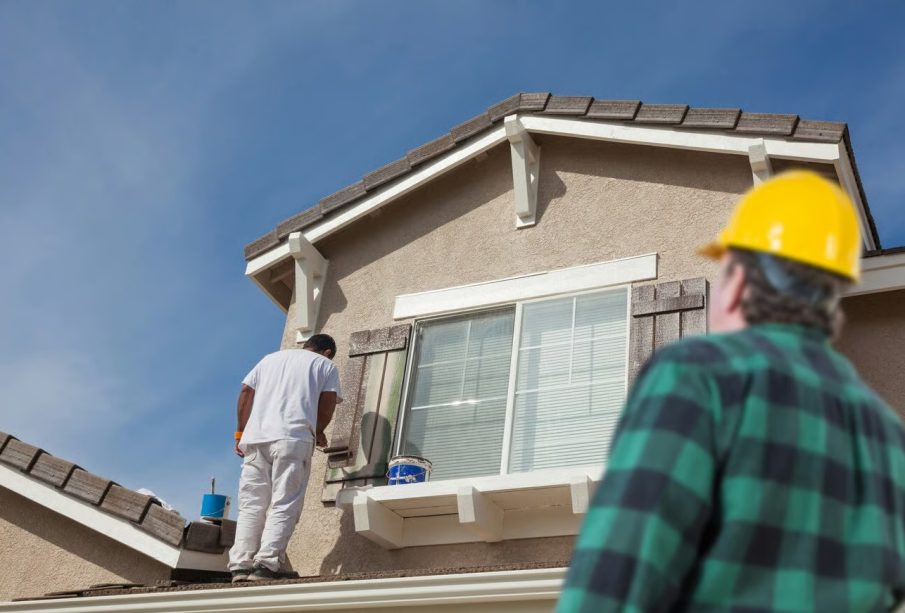
Beginning with the roof, walls, and windows, this checklist will help you evaluate the three critical components of your home’s weather-tight shell. Use it to notice issues, prioritize repairs, and get accurate costing before you move on to the fun part of finishes and details.
Audit the structure before touching anything
Before any builder clambers up a ladder, you should have a good handle on what’s lurking beneath your current exterior. Check for wood rot, termite attacks, and water ingress into the wall cavity. These menaces are relatively common, usually out of sight, and will render your cladding replacement pointless if not dealt with beforehand.
Take a walk around and eyeball your soffits, fascia boards, and the bottom of any existing timber framing. Prod anywhere that looks soft. If you’re going to pull off the old cladding in any case, get a builder or building inspector to assess the condition of the sarking, framing, and moisture barrier as well, while it’s all in plain view. Finding out you’ve got rot in your studs after you’ve primed and painted the new boards is an expensive lesson.
Don’t overlook the moisture ingress part of the equation either. Sarking and breathable building wraps are what stand between your wall cavity and a wet T-shirt. If the existing wrap is damaged or non-existent, strip back to the studs and install a building wrap suited to the conditions before re-cladding.
Match materials to your environment, not your mood board
This is the point at which most planning briefs fail. Your selection of materials should depend on what conditions your site faces – not on what worked out well on a reality renovation show.
Coastal homes need salt-spray resilient finishes that won’t deteriorate. Bushfire-prone properties need materials that meet the appropriate Bushfire Attack Level (BAL) rating, and for many locations, this will rule out what you had in mind as ‘allowed’. High UV will render poorly specified paints and cheaper engineered products redundant within 10 years of installation.
Fibre cement products perform well under all these conditions. They don’t soak up water, they stave off mould, and excellent selections come with fire scores that will make a real difference in high-risk locales. Suppliers like James Hardie Timber Supply WA will work with you to match the correct product to your local conditions before making a final decision.
But let’s be real, timber will probably look better on that initial estimate. Take into account the natural patina it develops, the straightforward maintenance of occasional repainting, and the ease of repairing sections if needed over 20 years, and timber might look even better in your final reckoning.
Sequence the work from the top down
It is essential to go through with certain steps when doing a complete exterior renovation. The roof should be the first to get done followed by Guttering and downpipes. Then the windows and doors and after that the cladding. Hardscaping including driveways, paths, and retaining walls should be done last.
The idea is that if you’re working higher up on the building, you’re making a mess or, worse, creating a liability for work that’s below you. Cladders will thank you for not drilling holes in their lovingly applied product, and landscapers curse you for choking their drains if they have to cart rubble and garbage through your new entertaining area.
Put together a timeline with these phases in mind. Trades need to be booked in the right order, and that means coordinating roofers, carpenters, window installers, and landscapers as a schedule – not as separate jobs that happen whenever someone is available.
Check permits before you price the job
Approval from the city council is usually necessary for any external changes. This can depend on where you live, the type of property you own, and the extent of the work you wish to carry out. For instance, alterations that change the form or design of a building will likely require a development application.
Permits also vary for new builds, re-cladding projects, or replacing windows and doors as the regulations and compliances surrounding these are different. Basically, any substantial changes to the external appearance of the home will require a permit – a coat of paint on the front door, typically, will not.
Long-term value, not just resale appeal
Replacing fibre cement siding recoups an average of 88.5% of its cost at resale. A strong number, sure, but the more important consideration for most homeowners is how much the effort costs or grief it saves over the life of the property.
Curb appeal and performance aren’t in tension – they are the same thing with enough time. A well-sealed, ventilated, and drained exterior keeps its looks without your help. A poorly thought out one looks perfect at completion and then declines from there.
The homes that hold their value and cost the least money are the ones where someone designed the envelope as a system – not a collection of independent aesthetic decisions that favored an individual product choice.
Do the structural work first. Choose products that work on your site. Sequence the trades in a proven order. The looks sell themselves.