

Simple Bathroom Renovation Ideas for Better Comfort
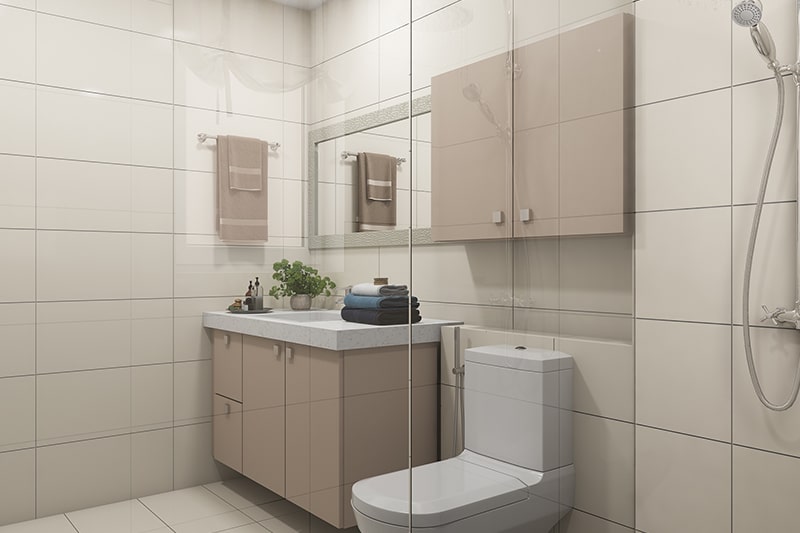
The bathroom is one of the most frequently used spaces in any home. It serves a vital functional purpose, but it also functions as a private retreat where you begin and end your day. A outdated, cramped, or poorly lit bathroom can introduce unnecessary frustration into your daily routine. Fortunately, achieving a highly comfortable and relaxing environment does not require a full structural overhaul or a massive financial investment.
Improving comfort in the bathroom relies on addressing key sensory and functional pain points. By making deliberate upgrades to water fixtures, lighting, storage efficiency, and surface materials, you can transform a utilitarian room into a personal spa. The following straightforward renovation ideas focus on maximizing physical comfort, everyday convenience, and long-term value.
Upgrading Water Fixtures for a Premium Experience
Water delivery is the core function of any bathroom. Outdated showerheads and faucets often suffer from poor pressure regulation, inconsistent temperatures, and basic designs that offer little physical relaxation. Upgrading these fixtures yields an immediate improvement in your daily comfort.
Rainfall and Dual Showerhead Systems
Standard wall-mounted showerheads project a narrow, high-pressure stream that can feel aggressive rather than relaxing. Replacing this setup with a rainfall showerhead introduces a completely different dynamic.
-
Gentle Water Distribution: Rainfall showerheads utilize a larger surface area to distribute water evenly over your head and shoulders, mimicking the soothing sensation of natural rain.
-
Dual Functionality: For the ultimate combination of utility and comfort, install a dual system that pairs a fixed overhead rainfall disk with a detachable handheld wand. The wand makes washing hair easier, simplifies cleaning the shower enclosure, and allows you to direct water flow exactly where needed.
Thermostatic Mixing Valves
Few things disrupt a relaxing shower faster than a sudden drop in water temperature caused by someone running an appliance elsewhere in the house. Installing a thermostatic mixing valve solves this issue permanently. These valves mechanically blend hot and cold water to maintain a precise pre-selected temperature, regardless of water pressure fluctuations throughout the rest of the home. This upgrade protects against accidental scalding while ensuring a continuous, reliable stream of perfectly warm water.
Modernizing Lighting for Ambience and Task Efficiency
Bathroom lighting is notoriously difficult to balance. Harsh, bright overhead lights feel sterile early in the morning, while dim lighting makes grooming tasks like shaving or applying makeup challenging. A thoughtful lighting redesign balances these needs seamlessly.
Backlit and Frontlit LED Mirrors
Traditional lighting setups rely on a single decorative fixture positioned directly above the bathroom mirror. This placement casts dark shadows downward across your eyes, nose, and chin.
-
Shadow Elimination: Modern LED mirrors emit light from either behind the glass or directly through integrated frosted panels on the mirror face. This projects light straight toward your face, providing even, shadow-free illumination that is ideal for detailed grooming.
-
Streamlined Appearance: By integrating the light source directly into the mirror frame, you eliminate the need for bulky wall-mounted fixtures, creating a cleaner, more spacious look over the vanity.
Layered Lighting and Dimmer Switches
To transition the bathroom from a highly functional morning preparation space to a relaxing evening retreat, you must install layered lighting controlled by dimmer switches. Separate the circuits so you can control your overhead task lighting independently from soft ambient lighting, such as under-cabinet LED toe-kick lights. Dimming the ambient lights down during a late-night bath creates a serene atmosphere that encourages mental relaxation.
Enhancing Thermal Comfort and Tactile Warmth
Bathrooms are naturally filled with cold, non-porous surfaces like porcelain, tile, and stone. Introducing elements that regulate temperature and soften these touchpoints makes the room feel much more welcoming.
Electric Heated Towel Rails
Stepping out of a warm shower into a cold room is an unpleasant experience. A wall-mounted heated towel rail ensures that a plush, warm towel is always waiting for you. Beyond the physical comfort it provides, a heated rail serves a practical maintenance purpose. It dries wet towels rapidly after use, preventing damp odors and stopping mold or mildew from forming in the fabric fibers.
Radiant Underfloor Heating Mats
Tile floors are excellent for water resistance, but they are notoriously cold underfoot, especially during winter mornings. Installing electric floor heating mats is a straightforward project when you are already planning to replace old bathroom flooring. These thin heating mesh systems sit directly beneath the floor tile mortar. They generate gentle, radiant warmth that rises evenly across the entire room, turning a chilly tile floor into a highly luxurious surface.
Strategic Storage Solutions to Eliminate Spatial Friction
Physical clutter creates visual chaos, which directly impedes your ability to relax. Standard bathroom vanities often turn into chaotic caverns where small items get buried at the back. Reconfiguring your storage eliminates the daily friction of searching for essentials.
Floating Vanities with Deep Drawers
Traditional vanities feature cabinet doors that open to reveal a massive open space under the sink. Replacing this setup with a modern floating vanity completely shifts the usability of the room.
-
Easy Access Storage: Floating vanities utilize deep, full-extension drawers fitted with interior cutouts to clear the plumbing pipes. Pulling a drawer open allows you to look straight down at all your items, eliminating the need to kneel on the floor and search through a dark cabinet.
-
Increased Floor Visibility: Because the vanity floats above the ground, it leaves the floor underneath completely visible. This open space makes a small bathroom feel noticeably larger and allows for easy floor cleaning.
Recessed Wall Niches
Plastic shower caddies that hang from the showerhead pipe are prone to rusting, slipping, and looking cluttered. During a bathroom renovation, framing a recessed niche directly into the shower wall studs provides a permanent, elegant storage solution for shampoos and soaps. Tile the inside of the niche with a contrasting accent stone to create a beautiful design element that keeps your primary shower ledge completely clear.
Frequently Asked Questions
What is the most cost-effective way to improve bathroom comfort without replacing major fixtures?
The most budget-friendly upgrade is replacing a standard, low-performing toilet seat with a slow-close, heated bidet seat. Bidet attachments plug into standard ground-fault circuit interrupter outlets and connect easily to your existing water supply line, providing heated water washes and air-drying functions without requiring full plumbing modifications.
How do I prevent grout lines from discoloring and deteriorating over time?
Grout discoloration is caused by mineral buildup, soap scum, and moisture retention. To prevent this, always seal your grout lines with a high-quality penetrating sealer immediately after installation and reapply it annually. Additionally, opt for epoxy grout instead of standard cement-based grout during your renovation, as epoxy is completely non-porous and naturally resists stains and moisture.
What type of exhaust fan is best for maintaining comfort and preventing mold?
Choose an exhaust fan with a low sone rating, ideally one sone or less, to ensure it operates quietly without creating a loud, distracting buzz. Look for a model equipped with a built-in humidity sensor. These smart fans turn on automatically when moisture levels rise in the air and run until the room is completely dry, protecting your walls and ceilings without requiring manual operation.
Can I install radiant floor heating underneath vinyl or laminate flooring?
Yes, but you must select flooring materials specifically rated by the manufacturer for use with radiant heating systems. While tile and stone are the best conductors of heat, many modern luxury vinyl planks and engineered laminates are engineered to withstand the gentle heat cycles without warping or releasing volatile organic compounds.
How do I choose the right height for a new bathroom vanity?
Traditional vanities stood around thirty inches tall, but modern design favors comfort-height vanities, which measure thirty-six inches from the floor to the top of the countertop. Comfort-height units mirror standard kitchen counter heights, reducing the amount of bending required when washing your hands or brushing your teeth, which significantly reduces lower back strain.
What is the benefit of a comfort-height toilet compared to a standard model?
Standard toilets measure roughly fourteen to fifteen inches from the floor to the rim. Comfort-height, or chair-height, toilets measure between seventeen and nineteen inches. This extra height aligns with standard chair dimensions, making sitting down and standing up much easier on the knees and joints, particularly for taller individuals or those with mobility concerns.
How can I make a tiny half-bath feel less claustrophobic for guests?
Focus on maximizing open space at the floor level. Install a wall-hung sink or a narrow pedestal basin instead of a bulky cabinet vanity. Paint the walls and ceiling the exact same light, light-reflective color to erase hard boundaries, and use large-format wall tiles with minimal grout lines to create a clean, uninterrupted visual flow.


