

A Guide for Homeowners and Businesses on Solar Installation in Thailand
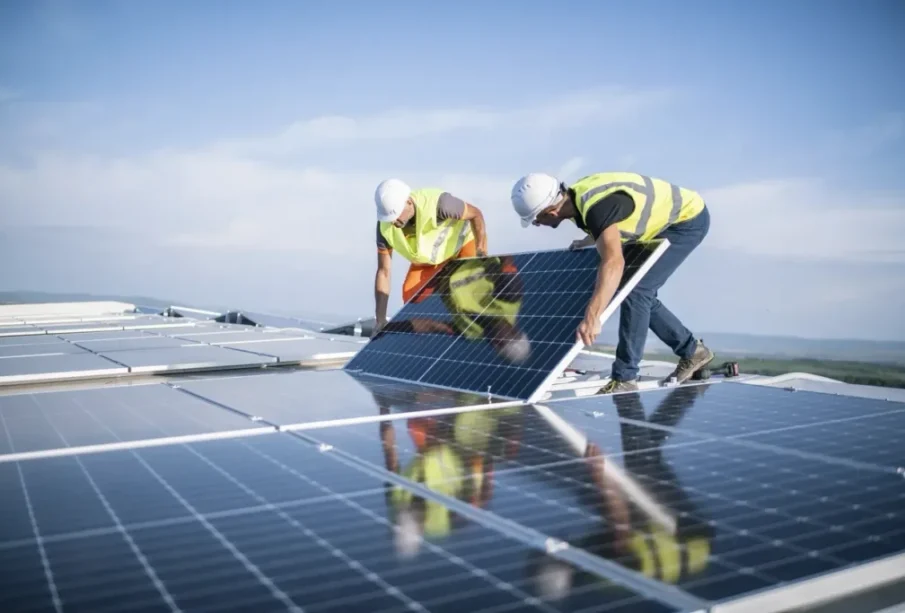
Thailand receives strong sunlight for most of the year, making it well suited to solar power. With average solar radiation of around 5 kWh per square metre daily, a solar installation can generate steady electricity across the central plains, the north, and the southern coast. Homeowners and businesses now view rooftop panels as a practical way to cut rising energy bills.
Electricity demand keeps climbing, especially during the hot season when air conditioning runs from morning until night. A well-planned solar installation offsets much of this daytime usage, since panels produce the most power when the sun is highest. For factories, offices, and shopping centres that operate during daylight hours, the timing matches consumption closely.
Before you commit to a solar installation, understand how the local system works. Thailand’s power sector is managed by state authorities, and grid-connected systems must follow their technical standards. Most residential and commercial setups connect directly to the grid, drawing extra power at night and feeding surplus energy back during the day.
Government Support and Policies
The Thai government has promoted renewable energy through its Alternative Energy Development Plan. Programmes have allowed households to sell excess solar power back to the grid at set rates. Rules change over time, so check current buy-back schemes and registration requirements before installing. Some commercial users also qualify for tax incentives on renewable equipment.
Permits matter too. Systems above a certain capacity need approval from the relevant electricity authority. Your installer usually handles this paperwork, but confirm it is complete before switching on.
Choosing the Right System
Panel choice depends on your roof space and budget. Monocrystalline panels offer higher efficiency in limited space, while polycrystalline options cost less. In Thailand’s humid, warm climate, look for panels rated for high temperatures, since output drops as heat rises.
Consider these points:
- Roof condition and angle: A south-facing roof tilted around 15 degrees suits Thai latitudes.
- Inverter quality: This converts panel output into usable power, so pick a reliable unit with local service support.
- System size: Match capacity to your average daytime usage rather than total consumption.
Costs and Return
Prices have fallen sharply over the past decade. A typical home system of 3 to 5 kW covers a large share of daytime electricity needs. Payback periods often range from six to nine years, depending on usage patterns and tariff rates. Businesses with high daytime loads tend to see faster returns.
Factor in maintenance too. Panels need occasional cleaning, as dust and rain marks reduce output. Thailand’s monsoon rains help, but a wipe-down during the dry months keeps performance steady.
Maintenance in the Tropics
Heat, humidity, and heavy rain test any outdoor equipment. Inspect wiring and mounting brackets once a year to catch corrosion early. Trim nearby trees to avoid shading, which cuts output more than many owners expect.
Solar power fits Thailand’s climate and energy goals well. With careful planning, sound equipment, and awareness of local rules, both homes and businesses can lower their bills and rely less on the grid for years to come.


