

Choosing Wardrobes that Maximize Bedroom Storage Space
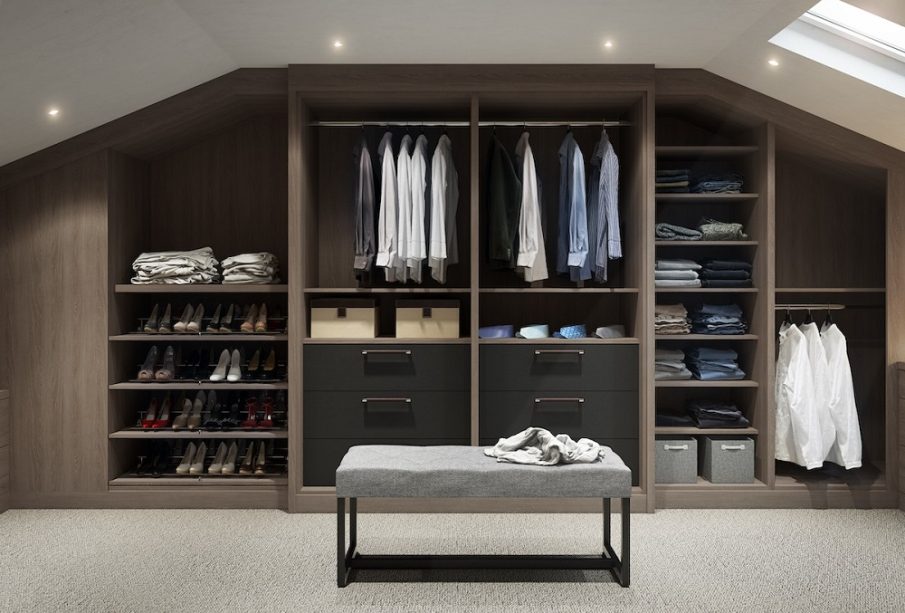
A bedroom should serve as a peaceful retreat, free from the stress of daily clutter. However, when clothing, accessories, and linens begin piling up on chairs and dressers, tranquility quickly vanishes. The root cause of bedroom disorganization is rarely a lack of tidiness, but rather a lack of efficient storage infrastructure.
Choosing the right wardrobe is the most impactful decision you can make to reclaim your bedroom square footage. A well-designed wardrobe does more than just hold clothes; it acts as a comprehensive storage system that adapts to your lifestyle, maximizes hidden space, and complements the architectural flow of your room. By analyzing your specific storage needs and understanding modern closet engineering, you can select a wardrobe that transforms how your entire bedroom functions.
Assessing the Structural Style: Built-In Versus Freestanding
The first major decision requires choosing between a custom built-in wardrobe and a freestanding armoire. Both options offer unique advantages depending on your budget, living situation, and room layout.
Custom Built-In Wardrobes
Built-in wardrobes are structurally integrated into the walls of the bedroom, stretching from the floor all the way to the ceiling.
-
Flawless Space Utilization: Because they are custom-built to the exact dimensions of your wall, they eliminate wasted pockets of space, such as the awkward gap between the top of a standard cabinet and the ceiling.
-
Architectural Integration: Built-ins can be designed around structural anomalies like sloped attic ceilings, chimney breasts, or uneven corners, turning difficult architectural quirks into highly functional storage zones.
-
Visual Seamlessness: Painting the wardrobe doors the exact same color as your bedroom walls creates a minimalist finish that makes a large storage unit blend into the background.
Freestanding Wardrobes and Armoires
Freestanding units are self-contained pieces of furniture that can be purchased ready-made or flat-packed.
-
Mobility and Flexibility: The primary advantage of a freestanding wardrobe is that you can rearrange your room layout whenever you choose, and you can pack the unit up and take it with you if you move to a new home.
-
Design Accents: A beautiful wooden armoire or a vintage wardrobe can serve as a stunning design focal point, adding warmth, character, and texture to a bedroom that might otherwise feel clinical.
-
Immediate Availability: Unlike custom build-outs that require weeks of construction, freestanding options can be purchased and utilized immediately.
Door Mechanics and Spatial Efficiency
The way your wardrobe doors operate directly impacts the layout and usability of the rest of your bedroom. Choosing the wrong door style can restrict traffic flow or block access to nightstands.
Sliding Wardrobe Doors
Sliding doors operate on a track system, gliding horizontally past one another rather than swinging out into the room. This makes them the ultimate choice for compact urban bedrooms or narrow floor plans. You can place the bed just a couple of feet away from the wardrobe face without worrying about clearance. To maximize this setup, choose mirrored sliding panels, which reflect light and instantly make a tight bedroom feel twice its actual size.
Hinged Wardrobe Doors
Traditional hinged doors swing outward into the bedroom space. While they require clear floor area in front of the wardrobe to open completely, they offer distinct functional advantages. When you open all the hinged doors at once, you gain complete, unobstructed visibility into the entire contents of your wardrobe simultaneously. Furthermore, the interior backside of a hinged door provides valuable surface area where you can mount full-length mirrors, tie racks, belt hooks, or shallow storage bins.
Configuring the Internal Layout for Maximum Density
The true secret to maximizing storage lies behind the closet doors. A standard wardrobe with just a single hanging rod leaves massive amounts of empty space unused. To truly optimize the interior, you must balance different storage components based on your personal wardrobe habits.
High-Density Hanging Strategies
Not all clothing requires the same amount of vertical hanging space. Categorizing your clothes allows you to double your hanging capacity.
-
Double Hanging Rods: Allocate the majority of your hanging space to short garments like button-down shirts, blouses, skirts, and folded trousers. By installing two rods, one above the other, you instantly double the number of items you can hang in that section.
-
Single Long Hanging Rods: Dedicate a narrow section of the wardrobe to a single high rod for long dresses, trench coats, and evening wear so they do not bunch up at the bottom.
Drawers, Trays, and Open Shelving
Shelves and drawers are essential for items that stretch when hung, such as heavy sweaters, knitwear, and t-shirts.
-
Deep Drawers: Position deep drawers near the bottom of the wardrobe to hold bulky items like winter sweatpants, extra bedding, or workout gear.
-
Shallow Pull-Out Trays: Incorporate shallow trays fitted with velvet grid dividers. These are perfect for organizing small accessories like watches, jewelry, sunglasses, and belts, keeping them visible and preventing them from getting lost at the back of a deep drawer.
-
Adjustable Shelving: Choose internal systems with pre-drilled holes that allow you to adjust the height of the shelves. This flexibility ensures you can reconfigure the spacing as your wardrobe changes between summer and winter seasons.
Material Choices and Long-Term Durability
A wardrobe is a heavy-use furniture item subjected to constant daily wear. Selecting the right structural material ensures your investment lasts for decades without sagging shelves or misaligned doors.
Solid Wood and Plywood
Solid hardwood, such as oak or walnut, offers unmatched strength, beautiful natural aesthetics, and structural longevity. However, it is heavy and expensive. High-grade plywood is an exceptional alternative for internal shelving and framework. It consists of layered wood veneers glued together, making it incredibly stable and resistant to warping or sagging under the weight of heavy winter coats.
Medium-Density Fiberboard and Particle Board
Medium-Density Fiberboard, commonly known as MDF, is an engineered wood product made from wood fibers compressed with resin under high pressure. It provides a perfectly smooth surface that is ideal for painted finishes. Particle board, or chipboard, is the most budget-friendly option, often coated with a decorative laminate layer. While excellent for low-cost setups, ensure the particle board shelves are thick enough and properly supported to prevent bowing over time.
Frequently Asked Questions
What is the ideal depth for a wardrobe to ensure clothes fit comfortably?
The standard industry depth for a functional wardrobe is twenty-four inches. This depth ensures that standard clothing hangers can hang completely straight without rubbing against the back wall or preventing the front wardrobe doors from closing properly. If you are extremely limited on space, you can opt for a shallower twenty-inch frame, but you will need to utilize a pull-out hanging rail that stores clothes facing forward rather than sideways.
How do I prevent dust and musty odors from developing inside a closed wardrobe?
Musty odors are caused by trapped moisture and a lack of airflow. To prevent this, never put clothes away if they are damp from sweat or the laundry cycle. Leave a small gap between the back of the wardrobe and the bedroom wall to allow air circulation. Additionally, you can install small, subtle mesh ventilation panels in the backing board of the wardrobe or use cedar blocks to naturally absorb excess moisture and repel fabric-damaging pests.
Should I choose open wardrobe systems without doors to save space?
Open wardrobes, or clothing racks, can make a small room feel visually lighter because there are no solid wooden blocks obstructing the view. However, they require meticulous organization. If your clothing collection is mismatched or messy, an open wardrobe will make the entire bedroom look chaotic. Furthermore, open systems expose your garments to airborne dust and direct sunlight, which can fade fabrics over time.
How can I maximize the very top shelves of a tall wardrobe that are hard to reach?
The highest shelves are prime real estate for seasonal rotation and items you only use a few times a year. Store winter blankets, heavy coats, or summer swimwear in clear, zippered fabric storage bins labeled by category. This keeps the items dust-free and makes them easy to grab down using a small step stool when the seasons change.
What interior wardrobe lighting system is the most practical?
The most efficient option is motion-activated LED strip lighting installed vertically along the internal sides of the wardrobe frame. Vertical placement ensures that every single shelf is lit evenly from top to bottom, whereas a single top light will cast shadows on the lower shelves. Choosing battery-operated or rechargeable magnetic LED strips allows you to add high-end illumination without paying for professional electrical hardwiring.
How do I calculate exactly how much hanging versus folding space I need before buying?
Before purchasing a wardrobe, conduct a thorough audit of your current clothing collection. Group your items by how they must be stored. Count the number of items that require hanging, such as suits and dresses, and measure the linear inches they occupy on your current rack. Do the same for folded items. This data allows you to select a wardrobe configuration that precisely mirrors the actual composition of your wardrobe rather than guessing.


