

Tips for Maintaining Long Lasting Household Pipelines
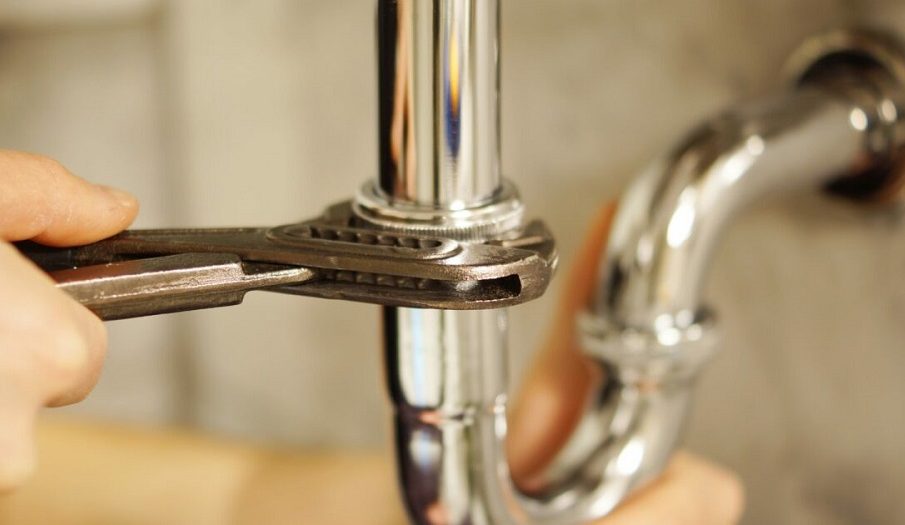
The plumbing system is the silent backbone of a functional home. It quietly delivers clean water for drinking, cooking, and sanitation, while safely removing wastewater from the property. Because pipelines are largely hidden behind drywall, under floorboards, and beneath the foundation, they are frequently neglected until a major catastrophic failure occurs. A burst pipe or a severe sewage backup can cause thousands of dollars in structural damage and disrupt daily life.
Maintaining long-lasting household pipelines requires a proactive approach rather than a reactive one. By understanding the common threats to plumbing longevity and implementing routine preventative maintenance habits, you can extend the lifespan of your pipes by decades. The following comprehensive strategies focus on reducing structural stress, preventing internal blockages, and monitoring the overall health of your home plumbing network.
Managing Water Pressure to Prevent Pipe Fatigue
High water pressure may feel excellent during a morning shower, but it is one of the leading causes of premature pipeline failure. When water travels through your plumbing network at an excessive velocity, it exerts continuous mechanical stress on the pipe walls, joints, and connected appliances.
Monitoring Pressure Levels
Standard residential plumbing systems are engineered to withstand water pressures fluctuating between forty and sixty pounds per square inch. Anything exceeding eighty pounds per square inch places your pipes at extreme risk.
-
The Consequences of High Pressure: Over time, elevated pressure weakens the soldered copper joints, loosens threaded fittings, and causes pinhole leaks in modern PEX tubing. It also accelerates the wear and tear on water heaters, washing machines, and dishwashers.
-
Testing Your System: You can monitor your home system easily by purchasing an inexpensive water pressure gauge from a local hardware store. Screw the gauge onto an outside hose bib or a washing machine faucet and turn the water on fully to get an immediate reading.
Installing a Pressure Reducing Valve
If your home pressure consistently reads above sixty-five pounds per square inch, you should have a professional plumber install a pressure reducing valve at your main water supply entry point. This mechanical device automatically downregulates the high-pressure water entering from the municipal supply line, ensuring a safe, consistent flow velocity throughout the interior network and instantly relieving structural strain on your pipelines.
Eradicating Chemical Drain Cleaners
When a sink or shower drain begins to slow down, many homeowners reflexively reach for a bottle of liquid chemical drain cleaner. While these products promise a quick and effortless fix, they inflict severe, irreversible damage on your household infrastructure.
The Corrosive Nature of Chemical Cleaners
Commercial drain cleaners typically rely on harsh, caustic chemicals like sodium hydroxide or sulfuric acid to dissolve blockages. These chemicals generate intense exothermic heat reactions inside the pipe to melt away grease and hair clusters.
-
Damage to Metal Pipes: In older homes fitted with galvanized steel or copper pipes, the corrosive chemicals slowly eat through the metallic walls, thinning the pipe material and creating slow, hidden leaks behind walls.
-
Damage to Plastic Pipes: In modern homes using PVC or ABS plastic pipes, the extreme heat generated by the chemical reaction can soften the plastic, warp the pipe shape, and melt the chemical cement holding the joints together, leading to complete joint separation.
Safe Mechanical Alternatives
Instead of relying on chemical solvents, utilize mechanical extraction methods to clear blockages safely. Use a basic rubber plunger to create pressure differentials that dislodge minor clogs. For deeper blockages, utilize a manual drain snake or an auger. A drain snake physically captures and pulls the hair and debris out of the drain without introducing any thermal or chemical stress to the pipeline walls.
Preventative Habits for Kitchen and Bathroom Drains
The best way to maintain long-lasting pipelines is to ensure that damaging materials never enter the drainage system in the first place. Everyday household habits dictate the internal environment of your wastewater lines.
Defending the Kitchen Line
The kitchen sink drain faces constant exposure to food debris, oils, and organic waste. Even if you possess a powerful garbage disposal, you must remain vigilant about what goes down the hatch.
-
The Danger of Fats, Oils, and Grease: Liquid cooking grease, butter, and meat fats should never be poured down the drain. While they flow easily when hot, they cool rapidly inside the underground sewer lines, solidifying into thick, wax-like blockages that trap other food particles.
-
Disposal Misconceptions: Avoid putting fibrous foods like celery, corn husks, onion skins, and coffee grounds into the garbage disposal. These materials do not break down cleanly; instead, they form a thick, paste-like sludge that clings to the pipe walls, narrowing the pathway for wastewater.
Safeguarding the Bathroom Drainage Network
Bathroom clogs are primarily driven by hair, soap scum, and foreign objects. Install fine-mesh stainless steel drain strainers in all showers and bathtubs to catch hair strands before they drop into the P-trap. Furthermore, never treat the toilet as a trash can. The only items that should ever be flushed are human waste and standard toilet paper. Wet wipes, facial tissues, paper towels, and feminine hygiene products do not dissolve in water like toilet paper does, leading to massive blockages in the main lateral sewer line.
Mitigating Mineral Scale Accumulation
If you live in a region with high concentrations of dissolved minerals like calcium and magnesium in the municipal water supply, your plumbing system suffers from hard water stress.
The Threat of Scale Buildup
As hard water heats up and flows through your pipes, the dissolved minerals crystallize and precipitate onto the interior surfaces of the pipeline walls. This process is known as scaling. Over several years, scale accumulation acts like plaque in an artery, gradually restricting the internal diameter of the pipe. This restriction reduces water volume, lowers functional water pressure, and forces your water heater to work significantly harder, accelerating its breakdown.
Implementing a Water Softener System
To combat mineral scaling permanently, consider installing a whole-house water softener system. These units utilize an ion-exchange process to swap calcium and magnesium ions with sodium ions, effectively neutralizing the hard water minerals before they ever enter your interior pipeline network. Softened water eliminates future scale formation, slowly dissolves existing mineral deposits over time, and extends the operational life of all water-utilizing appliances.
Seasonal Protections and Leak Detection
Environmental factors, particularly freezing winter temperatures, pose an immediate threat to the structural integrity of household plumbing.
Preventing Winter Pipe Bursts
When water freezes, it expands significantly. If water freezes solid inside a copper or plastic pipe, the expanding ice creates immense hydrostatic pressure between the ice blockage and the closed faucet, eventually causing the pipe wall to rupture cleanly.
-
Insulate Exposed Lines: Wrap all pipelines located in unconditioned spaces like crawlspaces, attics, unheated basements, and exterior walls with thick foam pipe insulation sleeves.
-
Outdoor Winterization: Disconnect all garden hoses before the first freeze, close the interior shutoff valves leading to outside hose bibs, and drain the remaining water from the exterior spigots.
Establishing a Routine Inspection Protocol
Conduct a thorough visual inspection of your visible plumbing zones every six months. Look beneath bathroom and kitchen vanities for signs of moisture, green corrosion rings around copper joints, or white mineral crusts on threaded fittings. Monitor your monthly water utility bill closely; an unexplained increase in water consumption when your daily habits have not changed is a strong indicator of a hidden underground or behind-wall leak that requires immediate professional evaluation.
Frequently Asked Questions
What is the expected lifespan of different residential pipe materials?
The longevity of your plumbing system depends heavily on the material utilized. Brass and copper pipes are exceptionally durable, often lasting between fifty and seventy years under ideal conditions. Modern PEX and PVC plastic pipelines boast an expected operational life of forty to fifty years. Older homes fitted with galvanized steel pipes generally experience failure after twenty to fifty years due to internal rust formation, while cast-iron sewer lines typically last between seventy-five and one hundred years before cracking.
How often should I have my home main sewer line professionally cleaned?
For an average single-family home with no historical plumbing issues, having the main sewer lateral line professionally inspected with a digital camera and cleaned every two to three years is a sound preventative timeline. However, if your property features mature trees with aggressive root systems growing near the underground sewer path, you should increase this schedule to an annual cleaning to prevent tree roots from infiltrating the pipe joints.
Why do my household pipes make a loud banging noise when I turn off the water?
This distinct banging noise is a hydraulic phenomenon known as a water hammer. It occurs when a fast-flowing stream of water is suddenly stopped by a fast-closing valve, such as in a washing machine or a modern single-handle faucet. The kinetic energy sends a shockwave bouncing through the pipeline network, rattling the pipes against the wooden wall studs. Installing small mechanical water hammer arrestors at the fixture connections absorbs this energy safely, preventing joint fatigue and structural leaks.
Is it safe to use baking soda and vinegar to clear slow drains regularly?
Yes, using a combination of baking soda and vinegar is a safe, completely non-corrosive method to freshen drains and clear minor organic buildup. The bubbling chemical reaction helps loosen sticky soap scum and light debris clinging to the pipe walls without generating the destructive heat or corrosive side effects associated with commercial chemical drain cleaners. Follow the mixture with a gallon of boiling water to flush the loosened debris down the line cleanly.
How does a leaking toilet tank impact the health of my sewer lines?
A leaking toilet tank flapper causes water to run continuously into the bowl and down the drain line. Beyond wasting thousands of gallons of clean water and inflating your utility bill, this constant trickling of cold water can create a localized cooling effect in the sewer lines, which encourages grease and organic waste to solidify faster than it would under normal intermittent flow conditions.
What should I do immediately if a pipe bursts inside my home?
The absolute first step is to locate and turn off your home main water shutoff valve immediately, which is typically found near the water meter in the basement or along the front exterior foundation wall. Turning this valve clockwise stops the flow of water into the entire property, mitigating structural flooding. Once the water is completely shut down, open the lowest faucets in the house to drain the remaining water out of the pipelines safely before calling a licensed plumber for repairs.


