What Gasfitting Actually Involves and Why It’s Not a DIY Job
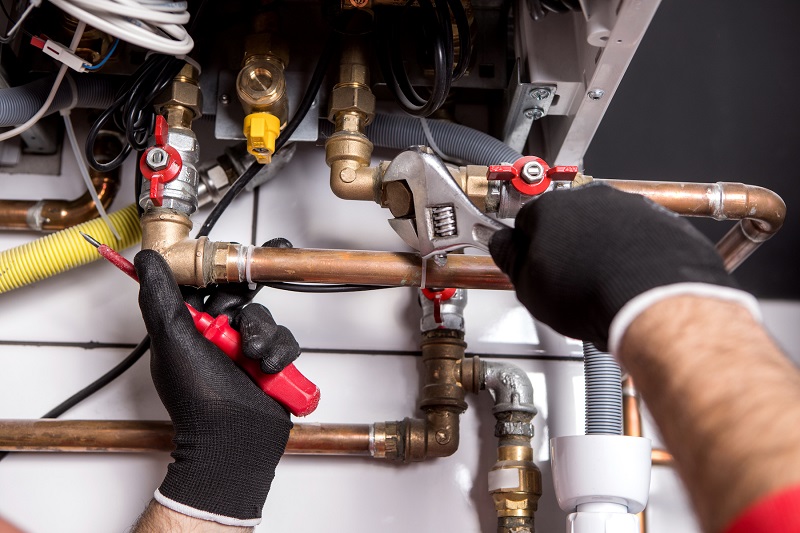
Gas work isn’t just another home repair. It’s not a plumbing fix like a leaky tap or patching up drywall. The consequences if something goes wrong don’t result in water stains or aesthetic issues but explosions, fires and people dying of carbon monoxide poisoning. While most homeowners recognize that gas work isn’t something to play around with, they generally don’t appreciate what goes on or why it’s so heavily regulated.
For example, it’s easy to observe the work as simple: connect a pipe, tighten some fittings, attach the appliance. But this surface simplicity overlooks the technical concerns and safety considerations that took professionals years to learn in the field. Every single regulation surrounding gas work exists because someone, somewhere failed to do it correctly and paid a hefty price.
What Really Happens in Gas Work
Gasfitting is everything from creating new gas lines or connecting to appliances to ensuring existing gas systems aren’t leaking. Gas fitters create pressure assessments based on pipe width, distance and total appliances being run and their BTU output needs. These assessments are important because too little pressure gives underperforming appliances. Too much creates fire hazards.
The piping side of things requires varying approaches depending upon the materials. Steel pipes require threading and sealant applications just so while copper works better with brazing, instead of soldering used with plumbing, because solder collapses with the heat appliances generate. Flexible gas lines also require connections differently from rigid piping and every single joint must be airtight as gas that escapes has much worse consequences than water that escapes.
There are constantly evolving guidelines to follow with regards to gas fitters. These standards are created over time as professionals discover problems and better solutions in the field. Certified gas fitters are taught to stay current with these changing guidelines. Someone who learned how to do things via YouTube or a mate who “does a bit with gas” three years ago, and even before, may have rules that once were allowed but now are outdated.
The Dangers of Gas Work that Make it Different
Sure, everyone knows gas leaks are bad but the reality is worse than people can imagine. Natural gas is lighter than air which means it rises. It accumulates in roof spaces and upper levels. As such, a small leak in an attic can go undetected for weeks as it fills the space until boom! A spark from electrical equipment up there mixed with a pilot light creates a dangerous situation, or worse. Explosions aren’t something hypothetical. They happen. They blow up homes and kill people.
Carbon monoxide is worse. Colorless, odorless and tasteless, carbon monoxide gets pumped into spaces due to faulty gas appliances or poorly vented configurations as families sleep at night. People die every year because someone connected their appliances incorrectly and it’s not detected. With carbon monoxide detectors you can help avoid this problem, but with appropriate installation you never have to worry about it in the first place.
Even chronic low-grade exposure to gas is an issue too, but people often don’t connect their health conditions back to their gas system. Recurring headaches, general malaise, fatigue, respiratory complications. People think they’re stressed or dealing with allergies when in reality, they have a gas leak due to poor installation from a long time ago. It takes months or years for the cumulative damage to take its toll before anyone figures out what’s going on.
The Tools and Knowledge People Don’t Have
Professional gas fitters have access to tools that are not run-of-the-mill items in every household toolbox. For example, there are systems for pressure testing, gas fitting systems that check whether there’s adequate pressure being held. This can be visually assessed but never confirmed through basic understanding. Combustion analyzers check whether there’s adequate combustion happening and electronic leak detectors assess whether there are problems despite what our noses detect, especially with minute leaks which create long-term issues.
These advanced tools are part of the professional arsenal and professional judgment that experts possess but amateurs do not. The diagnostics work as much as the tools. If there’s a problem with a gas appliance, professional gas fitters can figure out if it’s supply pressure, venting, application usage or improper installation. Problems are tackled inappropriately by novices who think they know what’s wrong based on symptom assessment when in reality, it’s something else entirely.
There are venting requirements based on room volume, air supply and combustion air needs. Novices miscalculate these considerations which either causes appliances to malfunction or once again pumps carbon monoxide into living areas. Professional gas fitters know how this changes according to appliance type and applied use. It’s not common sense you pick up after watching a few videos.
The Legal Side Nobody Thinks About
This is what most people don’t realize: if you do gas work without authorization, you void your home insurance. If there’s an explosion and your house burns down or blows up, insurance companies won’t pay claims. That’s not just a small amount of money lost, that’s everything. And selling your house becomes complicated with non-professional or non-certified work as the inspector will flag it and suddenly you have to lower your price substantially.
Gas work needs permits generally as they need inspection afterwards. If you didn’t get any permits for gas work, the liability follows the property. Future owners of this property can sue for improperly done gas work even years later so it has legal ramifications that extend beyond what was originally done.
If you’re renting out a property it’s even more complicated. If something goes wrong with an uncertified appliance, massive liability falls on landlords for tenants who get hurt. Certified professionals give landlords legal protection and tenants appropriate safeguards. When it’s time for either party to have gas systems fixed, property owners who understand the risks seek out Gasfitting Plumbers in Auckland, who are certified professionals safeguarding properties and their inhabitants from serious mistakes brought on by unsafe gas work.
Why It Takes Years To Be A Certified Gas Fitter
There’s a huge difference between certification as bureaucratic red tape and one requiring years of apprenticeship time where hands-on work combines with classroom theory. Students must learn about characteristics of gases relative to combustion science, safety related to venting requirements with current regulations and put theory into testing through practical assessment.
There’s no finishing certification either after initial qualifying exams. Ongoing requirements keep gas fitters certified as appliances change over time through new advancements.
These new codes and updated methods require continuing education so certified gas fitters maintain up-to-date work standards instead of accepting what was allowed based on when they first qualified decades ago.
The certification weeds out those who cannot comprehend the technical aspects as well as safety requirements. It’s not out of protection of a trade to avoid potential competition. It weeds out people who cannot safely work with something inherently dangerous. The bar is set high because incompetence equals death and mass loss of property.
How DIY Gas Work Goes Wrong
It’s easy to compile a long list about potential disasters from amateur gas work. Incorrect pipe sizing equals pressure issues creating negative consequences for appliances or fire risks. Joint sealing fails after gradual wear. Homeowners find themselves with malfunctioning appliances that need replacement due to excessive heat damage before anyone figures out what went wrong.
Appliance installations fail because DIYers don’t understand the specific requirements that differ from standard connections. They don’t take into consideration what’s actually needed for safe gas appliance operation. Ventilation errors exist with DIY jobs: undersized ventilation outlets, incorrect termination points, inadequate combustion air. All dangerous conditions that could damage or explode a structure but remain unseen until they manifest later down the line.
Gas Variability Doesn’t Accommodate Change
Gas appliances run differently in varying temperatures. Switching from high to low demand seasons creates an adaptation dynamic where inexperienced workers don’t know how to account for such nuanced variables while professionals do because they expect fluctuations through seasons.
The Bottom Line About “Saving Money”
The motivation behind DIY work centers on saving money; however, saving money fails to accurately assess reality. Paying professionals additional funds to fix botched DIY work requires more than what it would have cost for an initial proper installation. The time spent correcting problems and reversing mistakes creates additional labor hours that cost more than doing it properly from the start.
The cost of risk overshadows savings involved. If a basement explodes due to flammable degrees of natural gas present during a failed DIY project it costs more than having professional installation completed. Medical bills from carbon monoxide poisoning greatly exceed what certified work would have cost. And low-grade leaks add up on monthly utility bills when lost gas expenditures occur, which makes any type of savings look minuscule by comparison.
Professional gas work protects property value too. Certified installations are convincing when paired with documented accountability which facilitates smooth buyer sales. But DIY work comes back during inspections raising red flags, making deals fall through or forcing price reductions far worse than what professional work would have cost, sometimes ten times over.
The financial impact continues long after installation expense is completed.
Some Limitations On DIY Feel Unnecessary But…
Some elements of DIY restrictions seem unnecessary, but those surrounding gas work exist because people die when things go wrong. Water leaks create costly messes. Dodgy electrical wiring shocks someone or starts fires. But gas fatalities kill multiple people at once when explosions happen or houses fill up with carbon monoxide. The potential for death justifies strict regulations dictating who can legally do this work.
Gas fitting requires specialized knowledge that no one can possess overnight. It takes years to acquire combined with professional equipment, legal certification involving comprehensive assessment, and continuing education to stay up-to-date with changing standards.
No one should DIY this regardless of handiness or enthusiasm. Mistakes don’t get second chances when dealing with inherently dangerous systems. One misstep can be fatal. The professionalism isn’t optional; it’s required for saved lives and secured properties everywhere.