How High-End Residential Design Is Adapting to an Aging Population
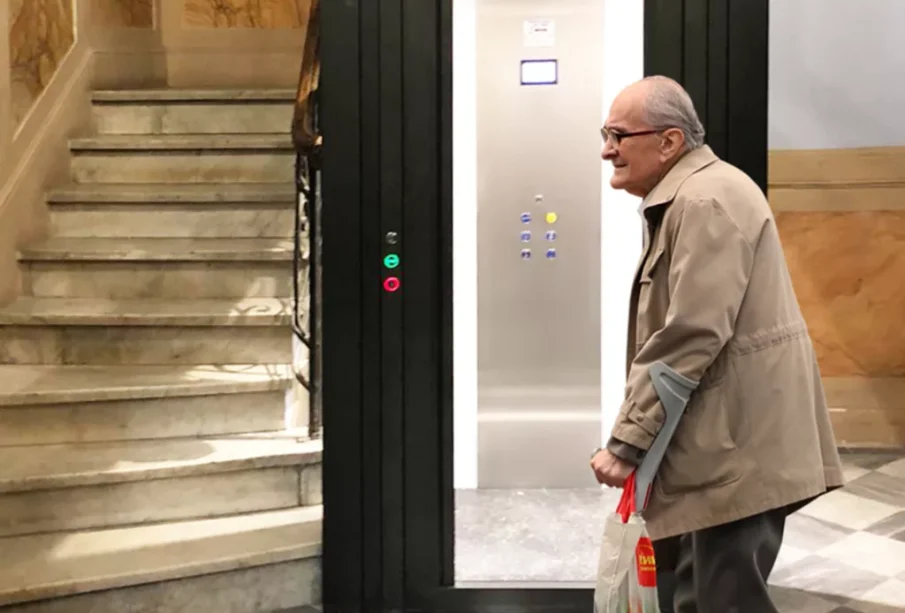
The idea that designing with age in mind meant design compromise has sort of dissolved and what has taken its place is perhaps more compelling. A high-end residential market that is beginning to view accessibility as a premium specification, not one made grudgingly.
The Shift From Medical to Architectural
Over the years, features that enhance accessibility had a very formal appearance about them. Grab rails were clinical looking and made of chrome. Ramps, if present, were made of concrete and seemed like an afterthought. The aesthetic style was borrowed from hospitals and rich homeowners steered clear of it for as long as possible, until there was no other option left but to incorporate them.
Thankfully, things have changed now. Today, architectural designers working on luxury housing projects are incorporating accessibility needs right from the design blueprints, not as a final additional touch. The end result is a home that doesn’t give away its accessibility features, they rather coexist with the overarching design as natural choices. Wider circulation corridors appear and feel spacious, rather than compensating for something. The entire layout falls into place with an underlying philosophy of how entities move around space over a long period of time.
The blueprint of this concept is universal design and the luxury market has made it even more interesting and unique. It wasn’t a feature that the mother of the concept originally thought about; bespoke, tailor-made, top-spec finishes where necessity and luxury merge into each other.
Vertical Transitions as Design Statements
Houses with several floors can be challenging as people get older. In the past, the only options were a stair lift, which was visually unattractive, or a residential elevator, which was expensive and took up a lot of space.
The new generation of solutions is not the same. Luxury platform lifts are made of glass, brushed steel, or powder-coated finishes. If they are well situated, they add to the aesthetics instead of being a disruptive element. They are a vertical component that fits perfectly into the design, just like a beautiful staircase.
This is important because almost 90% of people over 65 want to keep living in their homes (AARP). For real estate developers and homeowners who are looking into the future, a well-designed lift adds more value than one that is purely functional.
Ground-Floor Flexibility and the Flex Room
A practical trend we can admire in luxury residential design is the so-called “flex room”. A space that can be used as one thing now and something else later. Perhaps a home office or library or second reception room that can also quietly morph into a primary bedroom suite should stairs ever become a problem.
It sounds simple but a successful flex room can be complex. It’s no good simply saying the smallest bedroom is the flex room and hoping for the best. If that’s all it is, should the conversion ever be necessary, compromising on circulation space will negatively affect the usability of the mobility-challenged room over time and at that stage.
A flex room, done properly, will already have sufficient circulation space. It should have a door width that accommodates a mobility aid without feeling like it was designed for one, and a connected wet room or bathroom nearby. Done well, none of this is visible. The room just feels well-proportioned and well-considered, keeping options open without advertising them.
Bathrooms Built For Every Stage
The bathroom is the room in which the gap between clinical-accessibility and genuine luxury has narrowed most dramatically. Wet room design, a fully tiled, curbless shower space, has become the preference in mainstream high-end residential work, and happens to be one of the most practical configurations for aging in place.
Reinforced walls behind designer tiling means grab rails can be installed at any point without structural work. Non-slip surfaces are the same large-format stone finishes redefining contemporary bathroom aesthetics. Walk-in showers with thermostatic controls and voice-activation compatibility aren’t marketed as safety features, they’re marketed as a spa experience. The fact that they’re also accessible is almost incidental.
This overlap isn’t accidental. Designers working in this space are specifically making choices of specification that serve multiple purposes, so the home never looks like it’s been adapted.
Smart Home Technology as Safety Infrastructure
Hands-free controls, lights that turn on when you enter a room, remotely adjusted heat and security systems were all nice-to-haves in a cutting-edge dwelling. For those with limited mobility or dexterity, however, they’ve become much more urgent and useful. The ability to manipulate your surroundings without physical effort, without reaching, stretching, struggling with a knob or deadbolt, or even walking to a different part of the house, can’t be overestimated.
It’s an additional motivation for the speculative builders laying down this wiring in their best homes. And since nobody really wants to see wire moldings tacked up the wall to get the resort lighting controls work, installing these packs during construction makes sense. And, beyond those upgrades to quality of life, the ubiquitous appeal of a home that obeys your commands and subtly responds to programmed needs is almost universal.
Accessibility as the Long Game
The priciest investment a person could ever make is constructing a gorgeous house only to abandon it eventually. These days, the success of luxury home design is measured by its ability to adapt to the owner’s lifetime, and not just for the years to come. It’s a benchmark that should be incorporated into the design.