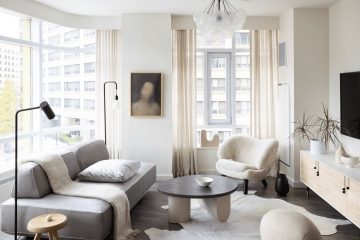
The Art of Interior Design: Crafting Spaces That Reflect Personality and Purpose
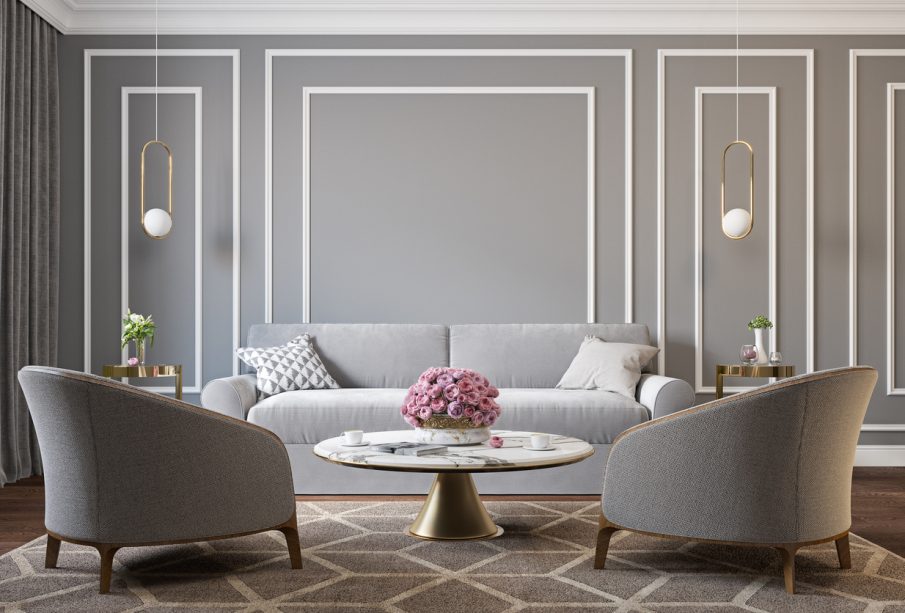
Interior design is more than just arranging furniture or choosing paint colors; it’s an art form that blends aesthetics with function, creating spaces that are not only visually appealing but also serve the needs and desires of their inhabitants. At its core, interior design is about crafting environments that evoke emotions, promote well-being, and improve daily living experiences. From the grandiose architecture of historic palaces to the minimalist lines of modern apartments, interior design shapes the way we interact with our surroundings, influencing everything from our mood to our productivity.
The Essence of Interior Design
Interior design is a multifaceted discipline that requires a deep understanding of architecture, color theory, furniture design, psychology, and cultural influences. It goes beyond simple decoration; it involves the meticulous planning and coordination of elements to create a cohesive and harmonious environment. Every decision, from the texture of the fabrics to the arrangement of lighting, contributes to the overall atmosphere of a room.
One of the foundational principles of interior design is the balance between aesthetics and functionality. A well-designed space is both beautiful and practical, ensuring that each element serves a purpose while contributing to the overall visual appeal. This balance can be achieved through the careful selection of furniture, materials, and design elements that complement the room’s intended use. For example, in a living room, a comfortable sofa should not only provide seating but also contribute to the room’s style. Similarly, lighting must be both functional and decorative, enhancing the ambiance while fulfilling practical needs.
The Role of Space and Layout
The layout of a room is perhaps the most important aspect of interior design, as it dictates how the space will be used and how people will interact with it. A thoughtful layout ensures that a room feels open, inviting, and well-organized. For instance, in a kitchen, the layout must prioritize efficiency, placing key elements like the stove, sink, and refrigerator within easy reach of one another. In contrast, a living room layout should promote conversation and social interaction, with seating arranged to encourage engagement without feeling cramped.
Space planning involves more than just determining where furniture goes—it’s about optimizing the available square footage. In small spaces, designers often utilize clever strategies to make the area feel larger, such as incorporating multifunctional furniture, using mirrors to reflect light, or employing vertical storage solutions to maximize floor space. On the other hand, large rooms require thoughtful zoning to break up the space into functional areas, ensuring that it doesn’t feel barren or disjointed.
Color: The Heart of Interior Design
Color is one of the most powerful tools in interior design, capable of transforming a room’s mood and energy. Different colors can evoke various emotions, from the calming effects of soft blues and greens to the vibrant, energetic feel of reds and yellows. When choosing a color palette, designers consider the room’s function, the desired atmosphere, and the natural lighting.
For instance, bedrooms are often painted in muted, soothing tones to promote relaxation and sleep, while living rooms or dining areas might incorporate richer, warmer hues to create a welcoming and stimulating environment. The color scheme also helps tie together the various elements in the room, ensuring that furniture, decor, and architectural details complement one another.
Beyond walls, color can be used in fabrics, furniture, and accessories to add depth and variety to a space. Accent colors—those found in throw pillows, rugs, and art pieces—can inject personality into a neutral room, allowing homeowners to experiment with bolder tones without overwhelming the space. When done correctly, color can not only enhance the beauty of a room but also influence how its occupants feel when they step inside.
Materials and Textures: Adding Depth and Character
In interior design, the use of materials and textures plays a pivotal role in creating a tactile experience. Materials such as wood, stone, metal, glass, and fabric are carefully chosen for their visual appeal, durability, and functionality. Textures—whether soft and plush or sleek and polished—add dimension to a space, giving it a sense of warmth, contrast, or sophistication.
For instance, a living room might feature a plush velvet sofa paired with a sleek glass coffee table to create a contrast between soft and hard textures. Adding elements like a shaggy rug, silk curtains, or textured wallpaper can further enhance the room’s sensory appeal. The goal is to create a harmonious interplay between textures that adds richness to the design without making the space feel too busy.
Wood, with its natural warmth, is a popular material in both traditional and modern interiors. Whether it’s used for flooring, furniture, or wall panels, wood can bring an organic, grounded feel to a room. In contrast, materials like glass and metal lend a sense of contemporary elegance, often used in minimalist or industrial-inspired spaces. The choice of materials can also influence the sustainability of a design, with eco-conscious designers opting for sustainable options such as bamboo, recycled wood, and natural fabrics.
Lighting: Sculpting the Ambiance
Lighting is often regarded as the “jewelry” of interior design, and for good reason. It has the power to dramatically alter the atmosphere of a room, highlighting key features, creating mood, and providing the necessary illumination for various tasks. The right lighting can make a space feel intimate, dramatic, or expansive, depending on the desired effect.
There are three main types of lighting to consider: ambient, task, and accent. Ambient lighting provides general illumination, filling the room with a soft, even glow. This is typically achieved with overhead fixtures such as chandeliers, recessed lights, or pendant lights. Task lighting is more focused, intended for specific activities such as reading, cooking, or working. Desk lamps, under-cabinet lighting, and pendant lights above a kitchen island are all examples of task lighting. Accent lighting is used to highlight particular features of the room, such as artwork, architectural details, or plants, adding depth and interest to the space.
The layering of different light sources is key to achieving a well-lit room. For example, a living room might include a central chandelier for ambient light, table lamps for task lighting, and wall sconces to highlight artwork. Dimmers can further enhance the versatility of lighting, allowing homeowners to adjust the ambiance to suit different times of day or activities.
Personalization: Reflecting Identity Through Design
At its best, interior design is a deeply personal expression of the homeowner’s style, preferences, and lifestyle. A well-designed home should feel like a sanctuary—a place where one’s personality can shine through in every detail. This can be achieved by incorporating meaningful objects, art, and furniture that tell a story. Whether it’s a family heirloom, a collection of travel souvenirs, or a favorite painting, these personal touches elevate a space from merely functional to truly special.
Customization is an important aspect of modern interior design. Tailored furniture, bespoke lighting fixtures, and custom-made decor items allow homeowners to create spaces that reflect their unique tastes. In addition, interior designers often work closely with clients to understand their needs and desires, ensuring that the design process results in a home that truly feels like their own.
Conclusion
Interior design is not just about creating visually stunning spaces; it’s about designing environments that cater to the emotions, functionality, and comfort of the people who inhabit them. From color schemes to furniture choices, lighting to layout, every element plays a role in transforming a house into a home. The ultimate goal of interior design is to create spaces that feel authentic, inviting, and reflective of personal taste while remaining practical and functional. When done thoughtfully, interior design elevates the quality of life, turning everyday spaces into exceptional places. Whether embarking on a full renovation or simply refreshing a single room, the art of interior design offers endless possibilities for creative expression and a deeper connection to the spaces we live in.